Source zhongtong bus drive shaft assembly for Repair, Maintenance, and Replacement
Explore 30 listings for the zhongtong bus drive shaft assembly to compare specifications, prices, and delivery times. Buyers can evaluate options for repair, maintenance, and replacement needs across various bus models; compare the available evidence and request quotations based on your requirements.
Key considerations
Products List
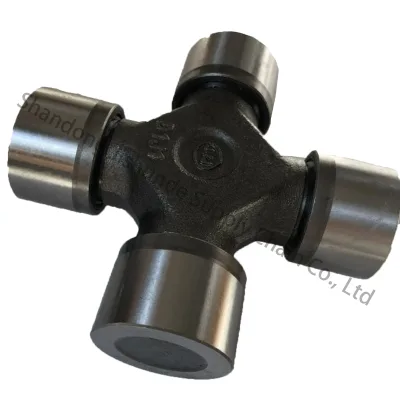
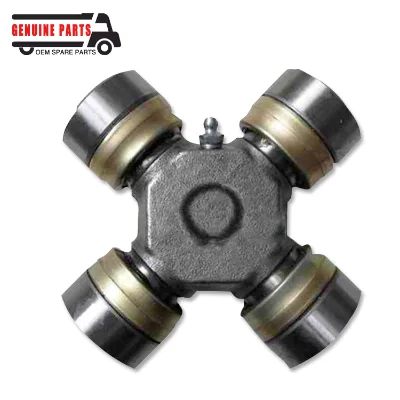
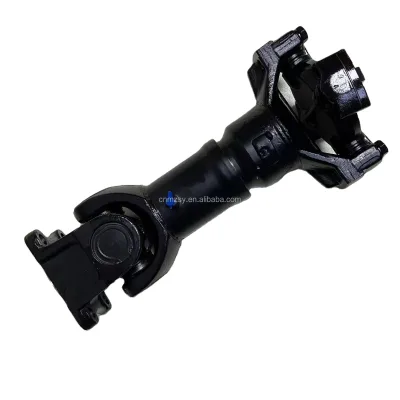
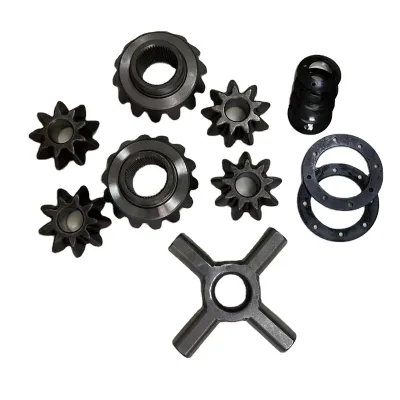
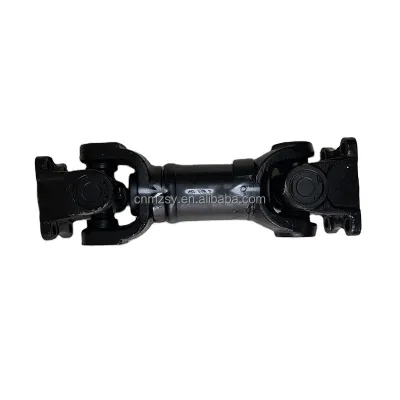


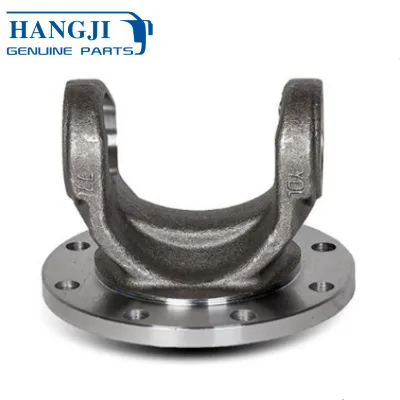
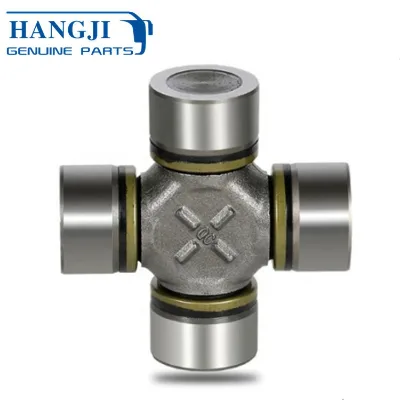
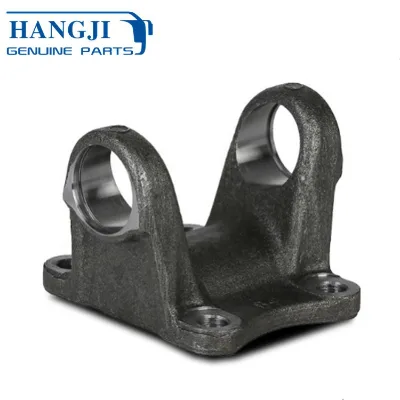


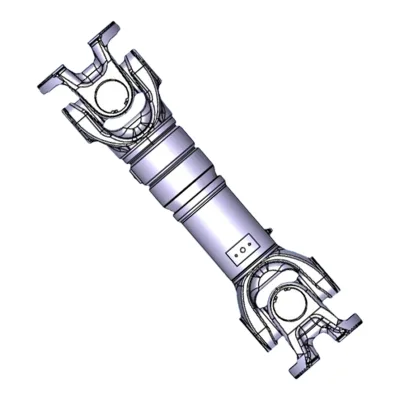


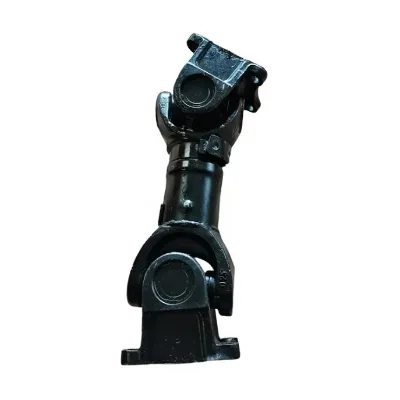
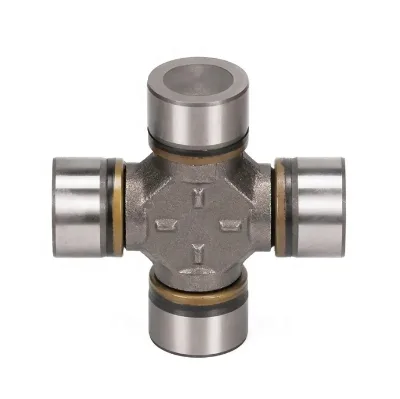

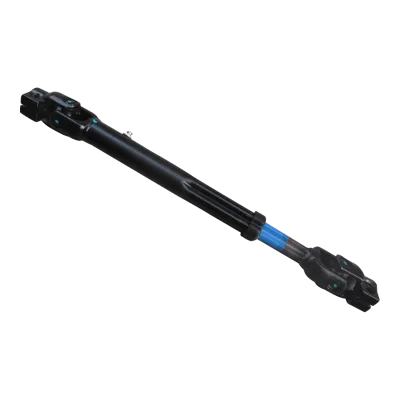

Comprehensive Sourcing Guide
Zhongtong Bus Drive Shaft Assembly Sourcing Guide
Procuring drive shaft assemblies for Zhongtong buses requires a disciplined approach to component verification, as these critical drivetrain elements directly influence vehicle safety and operational uptime. Buyers must prioritize exact OE number matching over generic descriptions, given the high variability in bus chassis configurations and model years. The drive shaft assembly serves as the primary torque transmission link between the gearbox and the differential, enduring significant torsional stress and vibrational forces during heavy-duty transit operations. Consequently, sourcing decisions should be grounded in rigorous technical validation rather than superficial marketing claims.
This guide outlines the essential verification steps for identifying authentic replacement parts, ensuring that procurement teams can mitigate the risk of installing incompatible or substandard components. By focusing on observable listing signals, precise technical specifications, and robust supplier qualification metrics, buyers can establish a reliable supply chain for these vital mechanical parts. The following sections provide a structured framework for evaluating potential suppliers and products, emphasizing evidence-based decision-making to maintain fleet integrity and minimize downtime.
Product Scope and Observed Listing Signals
Market listings for bus drive shaft components often present a mix of universal joints, complete shaft assemblies, and related chassis parts, requiring careful distinction to avoid procurement errors. Observed product attributes indicate a wide range of materials, including rubber and steel, with specific mentions of brands like Yutong and Meize, which may signal cross-compatibility or aftermarket adaptations rather than direct OEM exclusivity. Buyers should note that some listings specify "Use for yutong bus" while others reference Zhongtong, highlighting the need to verify brand alignment and part interchangeability before placing orders.
Listing signals also reveal significant variations in packaging and weight, with single gross weights ranging from 3.000 kg to 23.000 kg, reflecting differences in component size and assembly complexity. Package dimensions vary from compact 15X10X15 cm boxes to larger 45X20X20 cm cartons, impacting logistics planning and storage requirements. Additionally, warranty periods differ, with some products offering 12 months while others provide only 6 months, suggesting varying levels of manufacturer confidence in product durability. These observable signals serve as initial filters for assessing product suitability and supplier reliability.
Technical Specifications to Verify
Verifying technical specifications is paramount when sourcing drive shaft assemblies, as even minor deviations in dimensions or OE numbers can lead to catastrophic drivetrain failures. Key identifiers include precise model numbers such as 2214-00146, 2214-00100, and 2403-02011T, which must be cross-referenced with the bus’s service manual to ensure exact compatibility. Buyers should also confirm the drive shaft position, noting that some components are designated for right drive shafts while others support both left and right configurations, as mismatched positioning can cause severe mechanical interference.
Dimensional accuracy is another critical verification point, with observed sizes ranging from 445145145mm to 300250150mm, underscoring the importance of measuring existing components or consulting detailed engineering drawings. Material composition, often listed as steel or rubber, must align with the original equipment’s structural requirements to withstand operational stresses. Additionally, buyers should inquire about the condition of the parts, ensuring they are new and not refurbished, as this directly impacts longevity and performance. Thorough technical validation prevents costly installation errors and ensures seamless integration into the bus chassis.
Compliance and Safety Documentation
Compliance and safety documentation are essential for ensuring that drive shaft assemblies meet international and regional regulatory standards, although specific certification details are often absent from standard listings. Buyers should request evidence of quality management systems, such as ISO certifications, to verify that the manufacturing process adheres to recognized safety and quality benchmarks. While some listings mention "Original" quality or "High quality" attributes, these claims require independent verification through third-party testing reports or factory audits to confirm their validity.
Safety considerations extend to the structural integrity of the drive shaft, which must withstand high torsional loads without failure. Buyers should inquire about material traceability and manufacturing standards, such as DIN165 or DIN180, if applicable, to ensure the components meet rigorous engineering specifications. Additionally, understanding the warranty terms, whether 6 or 12 months, provides insight into the supplier’s confidence in their product’s durability. Proper documentation not only facilitates regulatory compliance but also enhances the overall safety profile of the bus fleet, protecting both operators and passengers.
Cost Drivers and Commercial Terms
Cost drivers for drive shaft assemblies include material quality, manufacturing complexity, and supply chain logistics, all of which influence the final price and availability of the components. Observed price ranges vary significantly, reflecting differences in brand, OE number specificity, and production volume. Buyers should consider the total cost of ownership, including shipping, customs duties, and potential downtime costs associated with delayed deliveries, rather than focusing solely on the unit price. Supply ability, noted as 1000 pcs per month for some suppliers, indicates production capacity and reliability, which are crucial for maintaining consistent fleet maintenance schedules.
Commercial terms such as MOQ, lead times, and payment conditions also play a pivotal role in procurement decisions. Lead times range from 7-15 days to 15-30 days, depending on the supplier’s inventory levels and production capacity. Buyers should negotiate clear delivery schedules and penalty clauses for delays to mitigate operational disruptions. Additionally, understanding the packing details, whether neutral or customized, can impact storage and handling costs. Transparent commercial terms ensure that buyers can plan their procurement activities effectively, balancing cost efficiency with supply chain reliability.
Supplier Qualification and Quality Control
Supplier qualification is a critical step in ensuring the reliability and consistency of drive shaft assembly supplies, requiring thorough vetting of manufacturing capabilities and quality control processes. Buyers should assess the supplier’s place of origin, with many listing locations in Guangdong, Henan, and ZHE, to understand regional manufacturing strengths and logistical advantages. Brand names like Yutong and Meize may indicate specialized expertise in bus components, but buyers must verify the supplier’s authorization or partnership status to avoid counterfeit products.
Quality control measures, such as inspection protocols and testing procedures, should be explicitly discussed with potential suppliers. Buyers should request samples for initial evaluation and consider conducting factory audits to verify production standards. Additionally, understanding the supplier’s return policy and after-sales support is essential for managing potential defects or compatibility issues. By prioritizing suppliers with robust quality control systems and transparent operational practices, buyers can minimize the risk of receiving substandard components and ensure long-term supply chain stability.
Long-Term Procurement Checks
Long-term procurement checks involve continuous monitoring of supplier performance, product quality, and market trends to maintain a resilient supply chain for drive shaft assemblies. Buyers should establish key performance indicators, such as delivery accuracy, defect rates, and responsiveness to issues, to evaluate supplier reliability over time. Regular audits and feedback loops with suppliers can help identify areas for improvement and foster collaborative relationships that enhance product quality and service levels.
Market dynamics, including changes in OE numbers, material costs, and regulatory requirements, should be closely tracked to anticipate potential disruptions or opportunities for cost optimization. Buyers should also explore diversification strategies, such as qualifying multiple suppliers for critical components, to mitigate the risk of supply chain bottlenecks. By implementing systematic long-term procurement checks, buyers can ensure that their drive shaft assembly sourcing remains aligned with operational needs, regulatory standards, and cost efficiency goals, ultimately supporting the sustained performance and safety of their bus fleet.
FAQs
What is the warranty period for the drive shaft universal joint?
The warranty period varies by product listing, with options including 12 months or 6 months. Buyers should verify the specific warranty term associated with the selected item before finalizing the purchase to ensure coverage matches their operational needs.
Which brands are available for yutong bus drive shaft parts?
Available brands include yutongs and Meize for replacement parts. These components are designed specifically for yutong buses and offer high quality or original specifications depending on the supplier listing and the specific model number required for the repair.
How long is the delivery time for these drive shaft assemblies?
Delivery times range from 7 to 30 days depending on the specific supplier and product configuration. Some listings indicate a lead time of 7-15 days while others specify 15-30 days for standard orders to be processed and shipped.
Can I find drive shafts with specific single package sizes?
Yes, single package sizes vary by item, with examples including 15x10x15 cm, 30x30x30 cm, and 45x20x20 cm. Buyers must check the specific product details to confirm the dimensions and weight suitable for their shipping and storage requirements.
What is the supply ability for these bus parts per month?
One listed supplier offers a supply ability of 1000 pieces per month for the drive shaft components. This capacity ensures a steady flow of parts for repair and replacement needs while maintaining the high quality standards required for bus maintenance operations.
Which drive shaft positions are available for purchase?
Available drive shaft positions include the right drive shaft and both left and right drive shafts. Buyers should select the correct position based on their vehicle configuration to ensure proper fitment and functionality for the specific yutong bus model being serviced.